Crafted Paths Between Peaks and Sea
Idrija threads and mountain patience
Karst stone speaks in every courtyard
Salt, wind, and time at Sečovlje
Journeys that Give Back More Than They Take
Rails, wheels, and walking shoes
Start with trains that weave mountain tunnels toward coastal light, then roll onward by bicycle along river paths and vineyard lanes. Wayfinding apps favor shaded tracks and refill stations, while luggage transfers support comfort without excess. Guides explain safety, etiquette, and local driving quirks, yet leave room for serendipity. Each kilometre saved from car traffic keeps villages calmer and cleaner, proving access can be generous without sacrificing air, sleep, or songbirds.
Hands-on workshops, not hands-off sightseeing
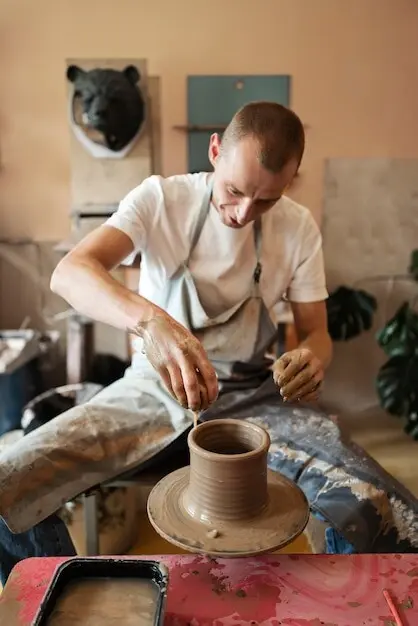
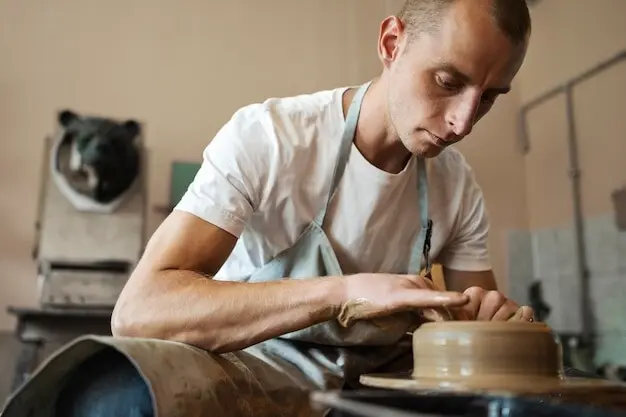
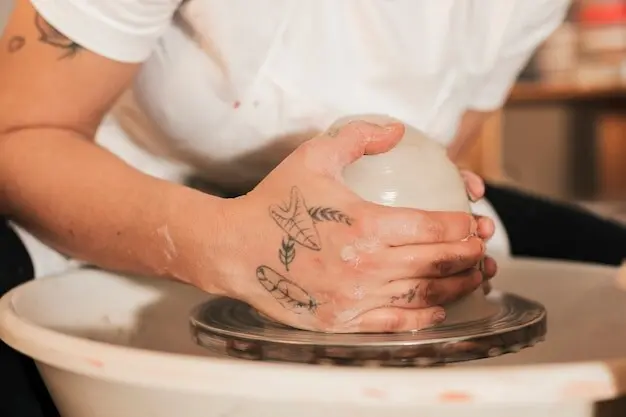
Rather than peering from doorways, travelers book sessions where mentors demonstrate, correct, and encourage. A morning might involve preparing dyes from walnut hulls, softening wool, and weaving coasters; afternoon hours could shape clay whistles or carve spoon blanks. Clear pricing covers materials, maker time, and maintenance, with transparent cancellations protecting livelihoods. Participants leave tired, proud, and attentive, carrying objects they assisted, plus questions that deepen respect long after photographs blur or disappear.
Rest where stories live
Nights unfold in farm stays, stone guesthouses, and seaside rooms run by families who cook what fields and boats provide. Breakfasts feature breads scented with fennel, mountain honey, and soft cheeses wrapped in herbs. Hosts introduce neighbors, suggest quieter trails, and coordinate workshop timing, aligning needs kindly. Revenue circulates locally through cooperatives, bakeries, and repair shops, keeping porches painted, tools sharpened, and schoolyards lively with children who see honest futures nearby.
Economies Repaired by Making, Not Extracting
Nature as Partner, Not Backdrop
Materials with a second and third life
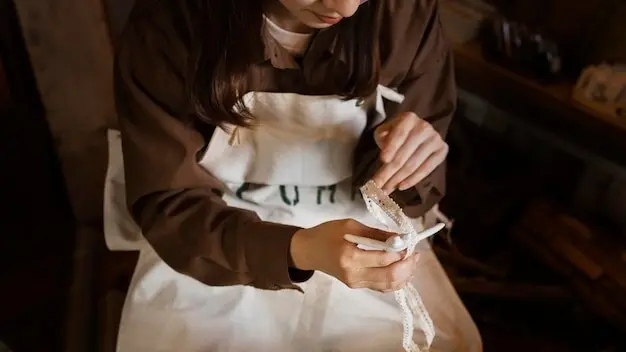
Scrap wool becomes felted trivets; lace offcuts edge notebooks; salt sacks turn into durable totes; broken tiles shimmer in mosaics that repair steps. Studios map waste streams and design accordingly, sometimes swapping materials across valleys. Tours showcase these loops openly, inspiring households to mimic them. When visitors mend jackets or sharpen knives during community evenings, the boundary between helper and helped softens, and frugality glows as artistry, solidarity, and climate wisdom.
Habitats healed through making
Dry-stone terraces slow runoff and anchor soil, rescuing orchards. Basketmakers cultivate willow beds that host birds and clean water. Brush cutters clear invasive growth before festivals, turning trimmings into charcoal for sketching or soap-making. Lace guilds adopt pollinator patches; ceramicists capture rain for glazes; fishers share data that guide closures. Care loops back into beauty: trails safer, vistas wider, harvests steadier, and children learning stewardship by joining useful, celebratory workdays.
Low-carbon choices stitched into itineraries
Partners publish train-first routes, synchronize pick-ups with regional timetables, and cap group sizes to fit village capacity. E-bikes charge from solar rooftops; refill stations encourage bottles; meal plans favor seasonal dishes that travel meters, not miles. When car transfers are unavoidable, carpools replace convoys, and prices reflect emissions fairly. Visitors track footprints transparently, offset locally through habitat projects, and share tips that make courageously simple choices feel natural, normal, and contagious.
Narratives carried in every knot and grain
Ask why a motif repeats three peaks, and someone will tell you about guardianship, weather, and humility. Trace the smoother rim of a bowl, and learn which tree grew near windbreaks. Taste crystals harvested before noon, and recognize how shadows guide timing. Such details deepen companionship between visitor and place, ensuring that objects become portals to ethics, care, and attention rather than trophies that gather dust on indifferent shelves.
Digital bridges without losing local voice
Maker maps pinpoint studios while protecting privacy through booking. Podcasts let elders reminisce without fatigue; short films show process without revealing trade secrets. Captions credit photographers; translations honor cadence, not flatten it. Platforms moderate comments gently, nudging curiosity over critique. The result feels hospitable and grounded: distant admirers find pathways to support, and nearby neighbors feel seen, ensuring online reach amplifies, rather than dilutes, the dignity of situated work.
Visitors become ambassadors
Before leaving, guests sign a simple pledge: buy less but better, share respectfully, and return in a different season. They receive maker playlists, reading lists, and a tiny repair kit. Back home, they host potlucks, teach a knot, and post reflections that name craftspeople clearly. Their gratitude attracts like-minded travelers who ask kinder questions, tipping the balance from extraction to exchange and reminding hosts that hospitality can inspire durable alliances.
Measuring What Matters and Inviting You In
All Rights Reserved.